
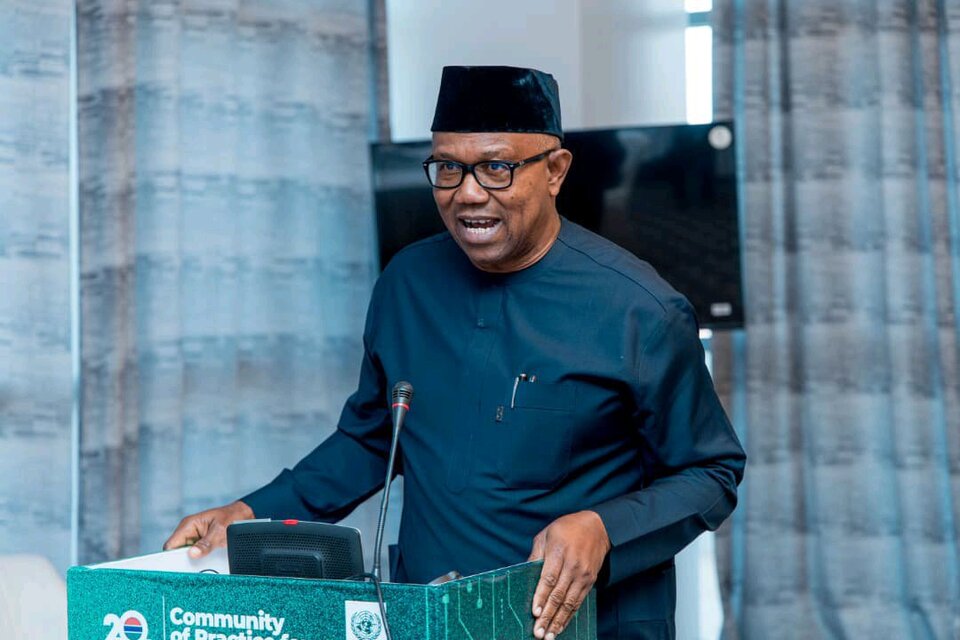
Political parties and the Nigerian government throwing potential roadblocks in his way. As the ADC’s candidate, Obi is navigating a tricky political landscape where the ruling party’s influence and strategic moves could complicate his chances of securing the top spot.
Insiders in the political arena suggest that the ADC’s relatively fresh presence in Nigerian politics, combined with Obi’s outsider status, might make it tough for him to gain widespread acceptance nationwide. While he’s gaining traction among the youth and civil society, political elites are pushing back, seeing his presidential ambitions as a threat to their long-held power.
Political analysts are already weighing in on the hurdles Obi might face, especially regarding the government’s role in shaping the political scene. These challenges could include everything from party endorsements and electoral logistics to the government’s sway over the electoral process. The ruling party’s grip on key institutions, like INEC and security agencies, could significantly impact the fairness of the upcoming elections.
Despite these obstacles, Peter Obi has managed to build a solid support base, particularly among younger Nigerians eager for a change from the norm. However, it remains to be seen just how much influence political forces and the government will have on the election.
As the 2027 election draws nearer, Peter Obi’s political journey is set against these complex dynamics, with many eyes on him to see how he tackles the challenges that lie ahead.
